©

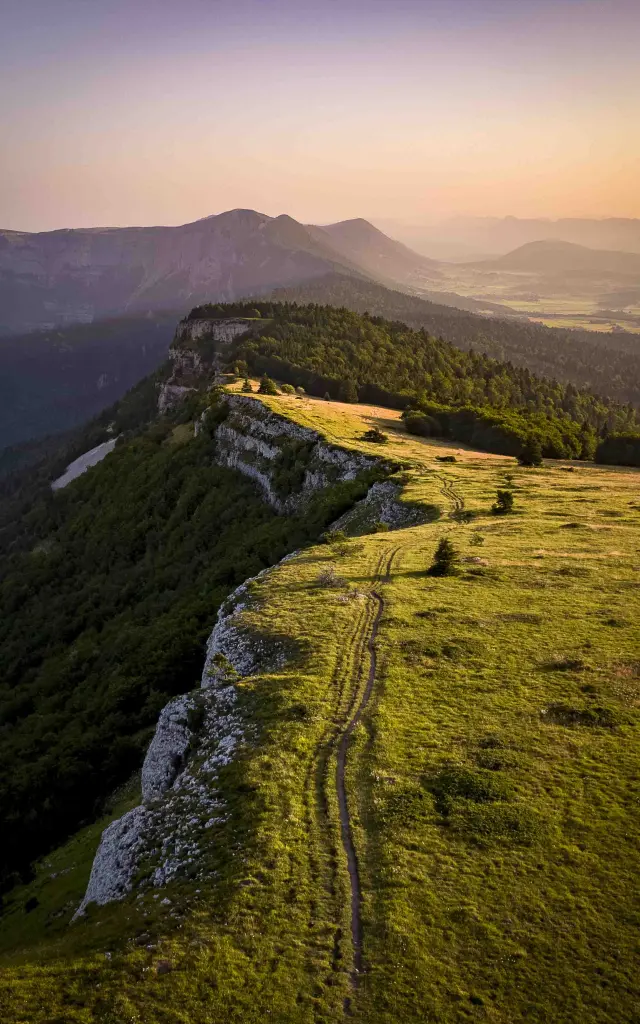
Aurora at Chaumailloux, Vercors

|

©S et M BOOTH

Hauts-Plateaux Nature Reserve

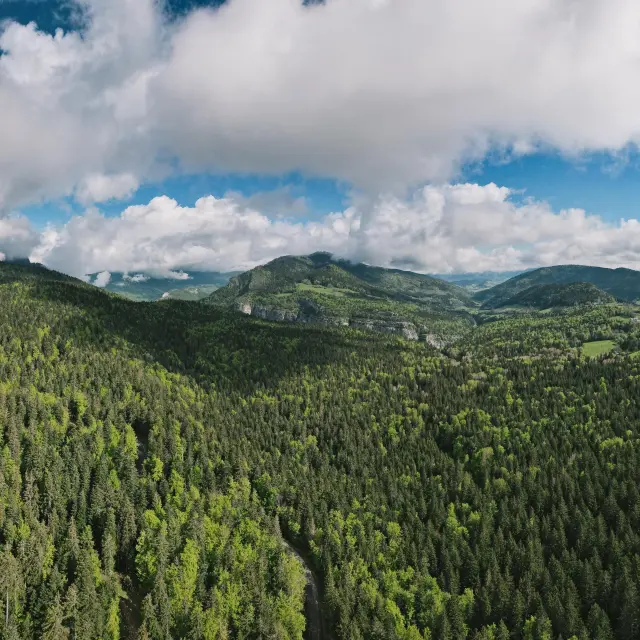
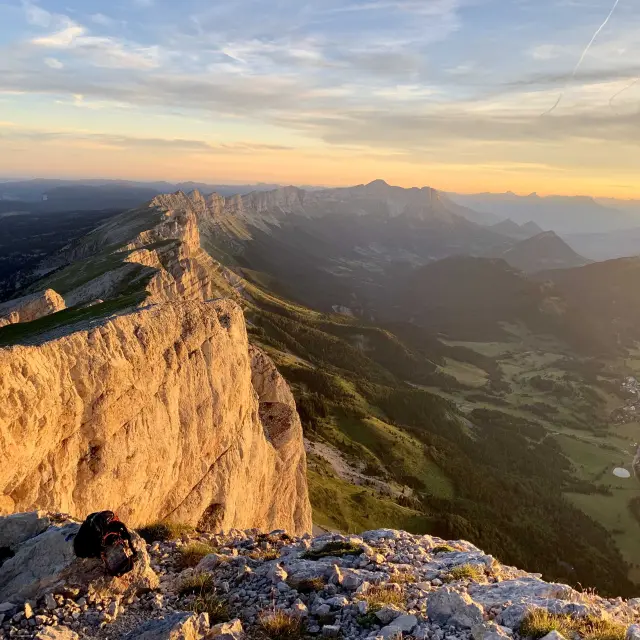
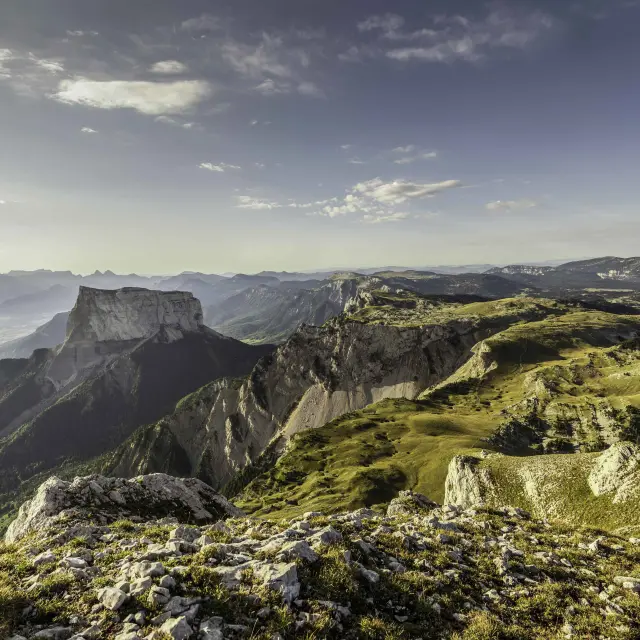
The Vercors is home to the largest nature reserve in mainland France: “Les Hauts Plateaux du Vercors”. In this 17,000 hectare natural area, with its mountain pastures, forests and limestone cliffs, hikers and protected species live side by side.

What is the Nature Reserve?

Often referred to as thegreen lung or wild heart, the nature reserve has no roads or housing. 💚

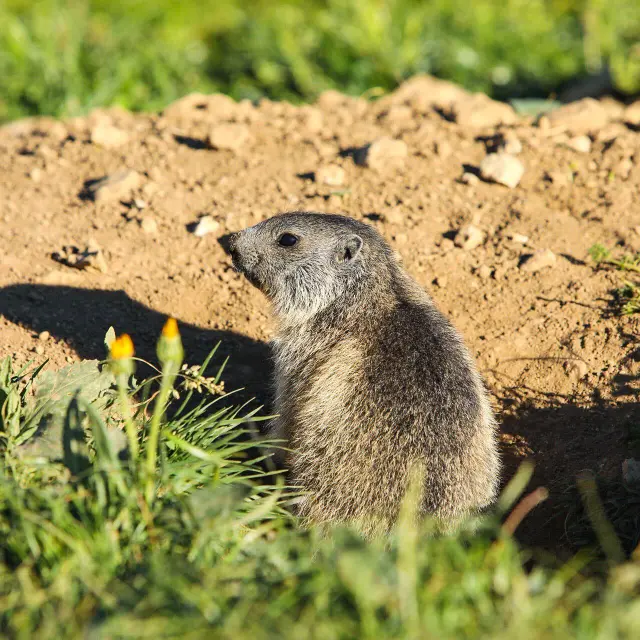
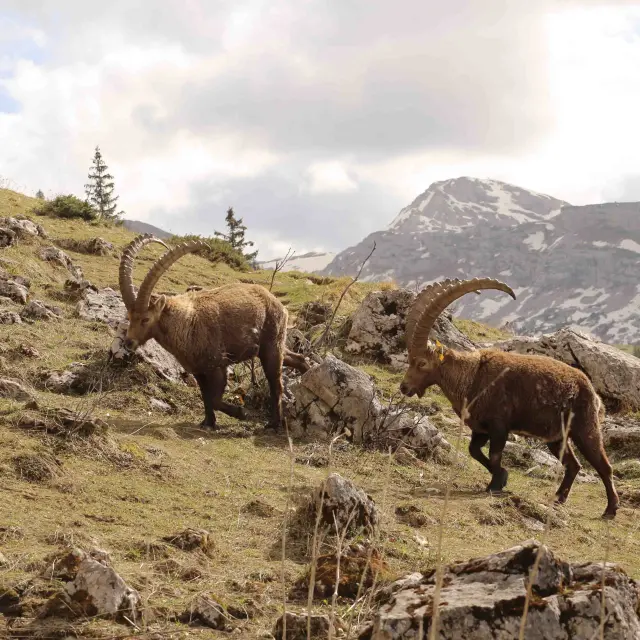
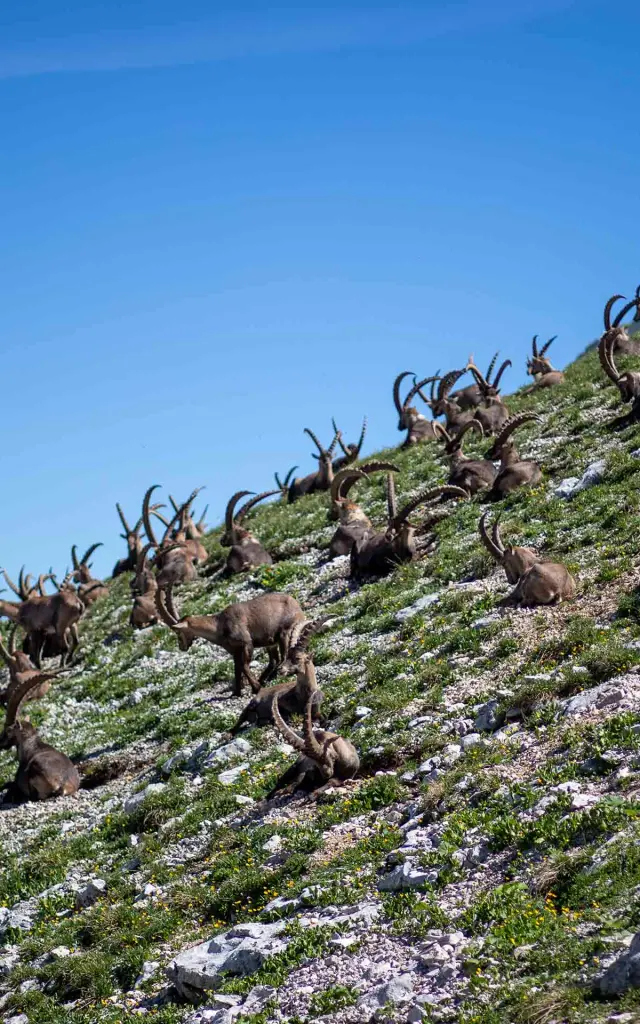
Only a few unguarded huts (without water or electricity) bear witness to the presence of man. Among them, the Carette shelter marks the northern gateway to the reserve. Beyond that, this area is home to numerous animal species, such as the black grouse, and plant species such as the wild tulip. Both are emblems of the Regional Nature Park. You may also come across marmots, chamois, golden eagles, etc. In turn, ibex, griffon vultures and, more recently, bearded vultures have been reintroduced and are helping to restore biodiversity.

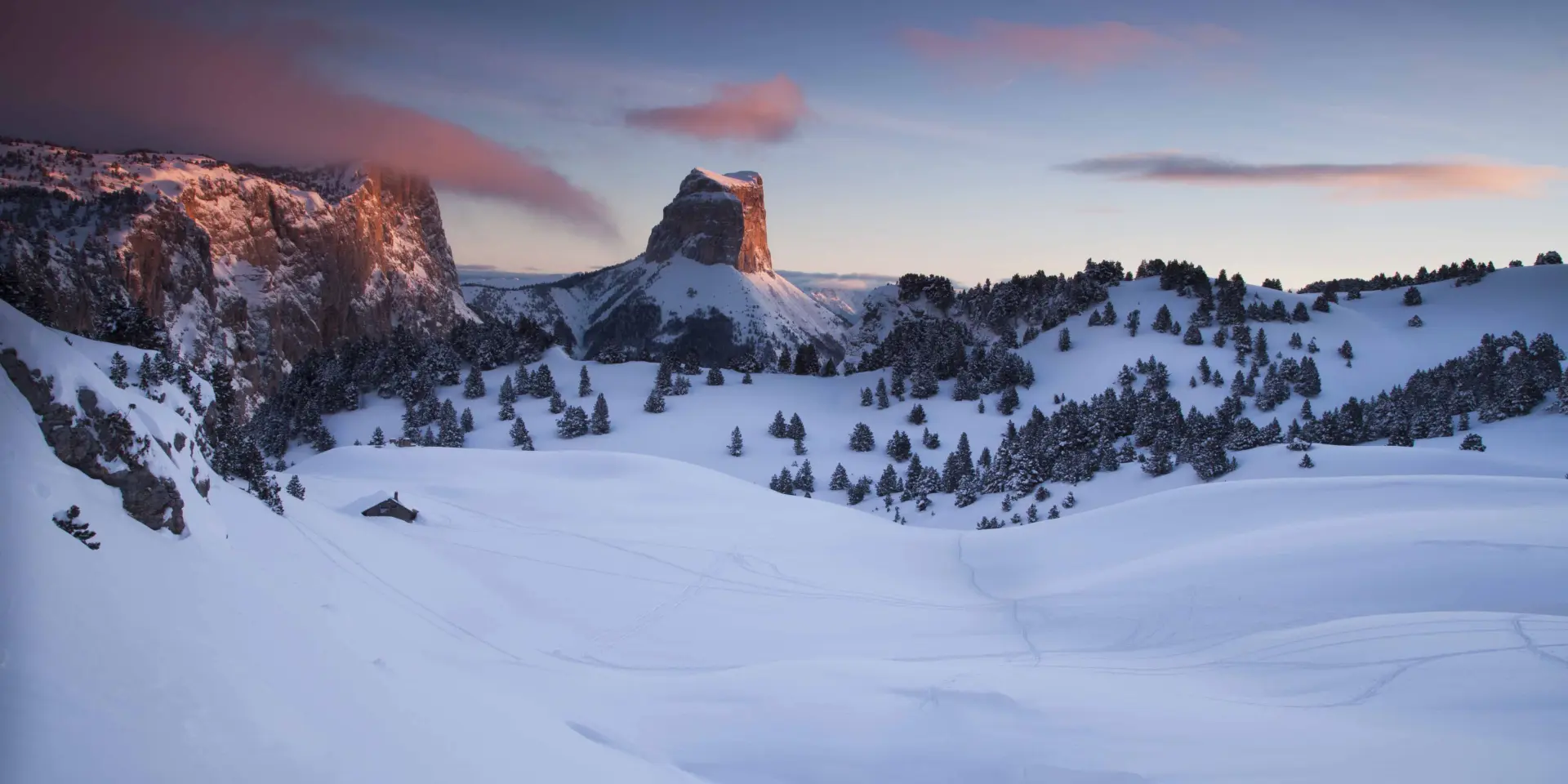
Once a stronghold of the Resistance, the nature reserve is now a mecca for hikers. By following the GR-91, adventure-seekers can set off on the Grande Traversée du Vercors itinerary. Two to three days of complete autonomy make the challenge a little tougher, but disconnection is guaranteed! Some will even take the opportunity to climb the highest peak in the Vercors, the Grand Veymont.

This limestone giant rises to an altitude of 2341m.

Our tip:

To enjoy the pleasures of a foray into the reserve without too much effort, a return trip to the Darbounouse plain promises a great day out.

There are things that belong to no one and whose use is common to all

(article 714 of the Civil Code)

In order to preserve the tranquillity of the wild species, the nature reserve is under constant surveillance by sworn rangers. Here are the basic rules to follow to make the most of this area:

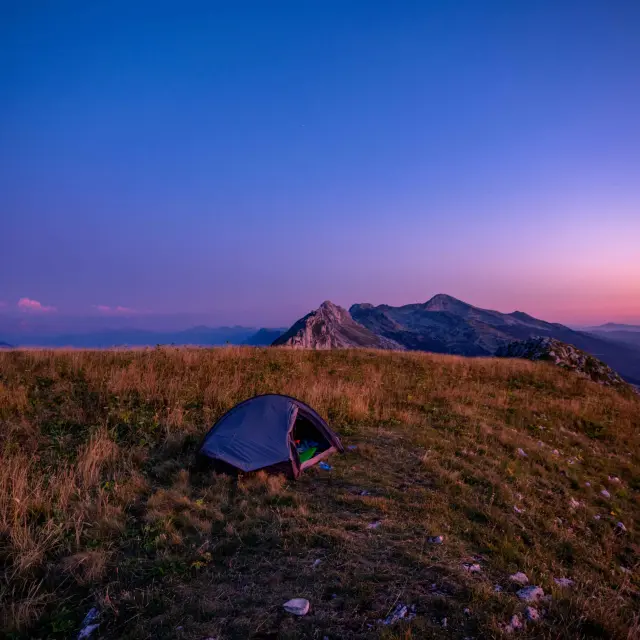
– Bivouacs are permitted from 5pm to 9am.
– Mountain biking is only permitted on 3 routes (the GTV mountain bike variant, the Coinchette loop and the Col de Papavet trail).
– Certain practices disturb the fauna and flora and are prohibited (picking plants, leaving rubbish, fires, etc.).

All that’s left for you to do is explore this place where nature rhymes with magic!

FAQ

  • Can we go into the reserve with a dog on a lead? 🦮

    No, our animal friends are not allowed in the nature reserve. You can, however, take them for a walk outside the reserve, so don’t hesitate to download our walking guide!

  • Where to sleep? 💤

    On the first part of the route (Saint-Nizier-du-Moucherotte to Corrençon en Vercors), you can sleep in gîtes and accommodation in the villages (Lans en Vercors, Villard de Lans and Corrençon en Vercors). You can also bivouac on this section.

    On the second part of the crossing (Corrençon en Vercors to Châtillon en Diois), you will be completely self-sufficient, with the option of staying in the unguarded huts on the plateau. It is also possible to pitch a tent and bivouac for the night; please respect the bivouac instructions.

    Here is the list of unguarded huts: https: //montourenvercors.com/organisez-votre-sejour/cabanes-et-sources/

  • Where can I find water in the reserve? 💧

    There are springs along the GR-91, but we advise you to check their condition before setting off. To do this, visit the dedicated website, updated by park rangers during the summer season: https: //www.parc-du-vercors.fr/info-sources.

  • What to do about patous (sheepdogs)? 🐕

    Patous may be present on your walk. They are there to protect their herds from any outside attack. Make sure you remain calm and adopt the recommended gestures when faced with these animals: signal your arrival, keep a safe distance, accept confrontation, don’t be aggressive and don’t run away.

  • Can you take an electric mountain bike into the reserve? 🚴‍♂️

    Like conventional mountain biking, electric mountain biking is only available on 3 routes: the GTV mountain bike variant, the Coinchette loop and the Col de Papavet trail.